

Southern
Yield: 2-4
Author: Tammy Nichols

Dill Pickles, Tammy's - Master Cookbook Recipe # 25
These traditional sour pickles rely on a 14-day fermentation process to achieve that classic deli-style tang and crunch. By letting them sit in a salt brine, you develop a deep flavor that just can't be rushed.
This is recipe #25 in Tammy’s Master Cookbook.
Prep time: 336 hrs
Cook time: 15 minTotal time: 336 hrs 15 min
Cook mode
Prevent screen from turning off
Ingredients
- Whole small pickling cucumbers (firm and fresh)
- 1 gallon boiling water
- 1 1/2 pints pink Himalayan salt (or pickling/kosher salt)
- Onion, sliced thin (1/2-inch pieces)
- Garlic (2 cloves per quart jar)
- Fresh dill or dill weed
- Per Quart Jar: 1 1/2 cups water and 1/2 cup vinegar
Instructions
- The Brine Soak (Days 1 to 14): Wash the cucumbers, remove the ends, and slice them. Layer the cucumbers and salt in a large glass jar or ceramic churn. Pour the boiling water over the salted layers.
- Ferment: Let them stand at room temperature for 14 days. Start tasting after 10 days,the pickles are ready when they are crunchy and the brine has become cloudy.
- Prep for Packing: Drain the pickles into a large bowl. Do not rinse them.
- Jar Prep: Sterilize your jars, rings, and flat seals.
- Pack the Jars: Into each jar, pack the pickles tightly along with onion slices, fresh dill, and 2 cloves of garlic.
- Final Brine: Calculate the amount of water and vinegar needed based on your number of quart jars (1 1/2 cups water and 1/2 cup vinegar per jar). Bring the mixture to a boil.
- Seal: Pour the hot vinegar mixture over the pickles, leaving 1/4-inch headspace at the top. Seal with rings until they are just tight.
- Cool: Allow to cool completely and check for a proper seal (the "ping").33
Notes
- The Right Salt: Always use pickling, kosher, or pink Himalayan salt. Never use table salt, as the additives can ruin the fermentation and discolor the brine.
- Storage: Store sealed jars in a cool, dry place. Refrigerate any jars that didn't seal properly and consume those first.
- Monitoring: Using large glass jars for the 14-day soak makes it much easier to monitor the clarity of the brine as they ferment.
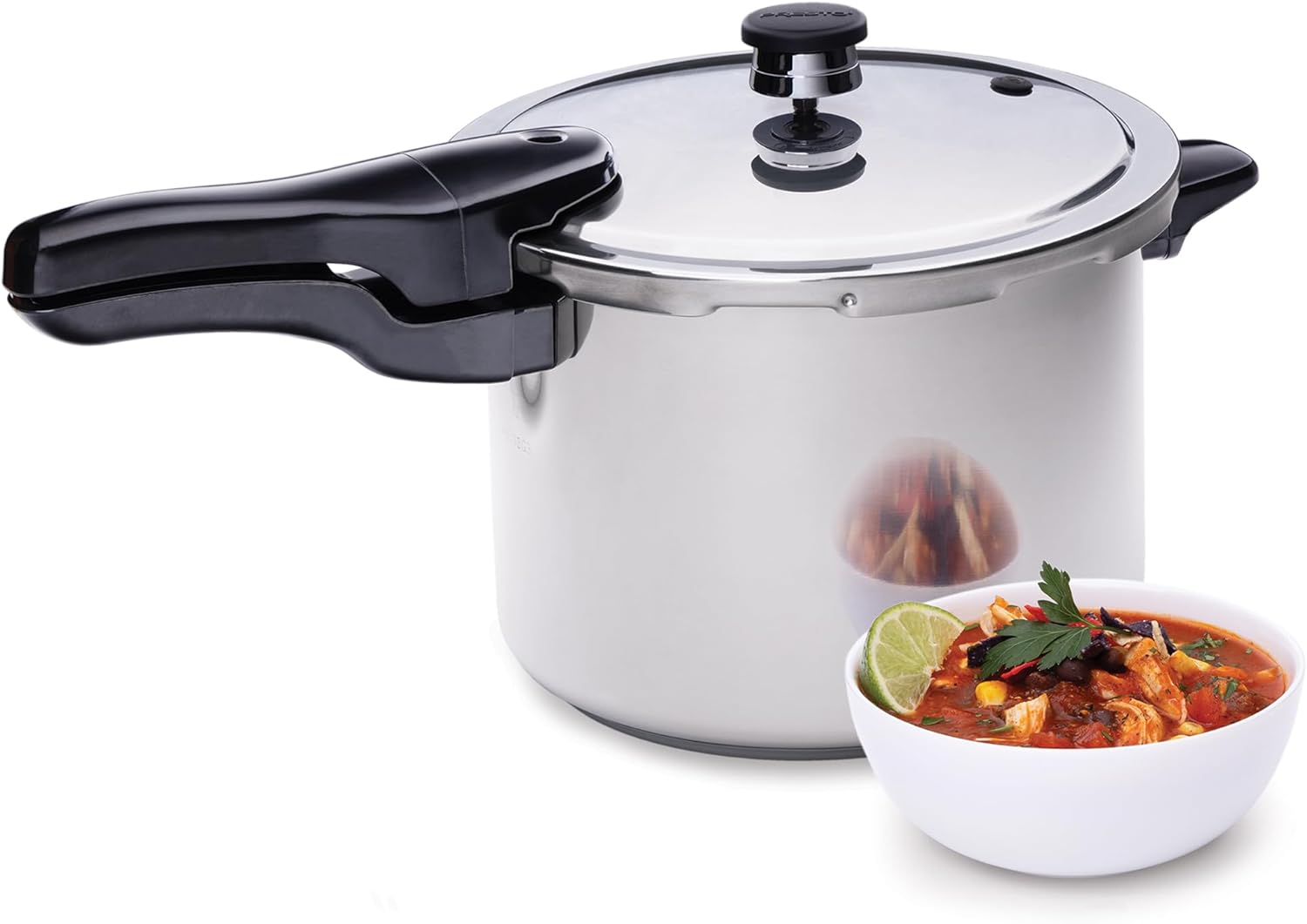
- Long-Term Storage: If you wish to keep these on the shelf for a long period, process the jars in a pressure canner following NCHFP guidelines.
Recommended Products:
As an Amazon Associate, Collard Valley Cooks earns from qualifying purchases.


Nutrition Facts
Calories
34Fat
0 gSat. Fat
0 gCarbs
5 gFiber
1 gNet carbs
4 gSugar
2 gProtein
1 gSodium
137644 mgCholesterol
0 mg